



 TRINITY DERMATOLOGY CLINIC
Scar
 TRINITY DERMATOLOGY CLINIC
Trinity Dermatology Clinic assesses scar age, type and depth, redness and pigmentation, skin thickness, and active inflammation to develop a combination treatment plan tailored to the characteristics of each scar.
Acne scars can develop when deep inflammation damages skin tissue during healing or leaves excessive fibrosis, resulting in depressed or raised areas on the skin surface.
Treatment varies according to scar shape and the degree of tethering, including narrow, deep ice pick scars, sharply defined boxcar scars, and gently sloping rolling scars.
Red marks or brown pigmentation may appear alongside pale scars, >but vascular and pigment concerns require a different approach from remodeling depressed tissue.

TRINITY PROVIDES ALL ABOUT SKIN · TRINITY PROVIDES ALL ABOUT SKIN ·
We address the scar surface, deeper tissue, and residual redness in carefully planned stages.
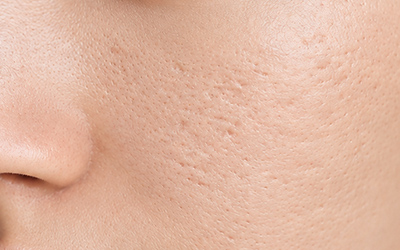
Fibrous tethering bands beneath the scar are released to address the underlying structural cause.
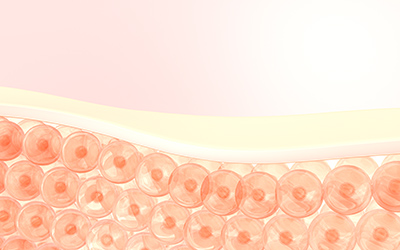
Regenerative substances are selected according to the skin condition and injected to support collagen regeneration and dermal remodeling.

Micro-subcision and sculpting are performed to support remodeling from the mid-dermis to the skin surface.
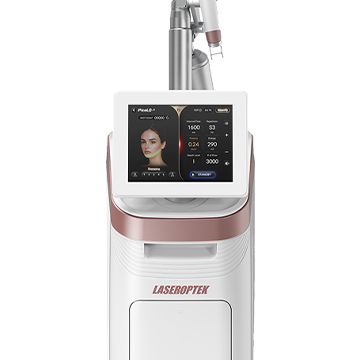
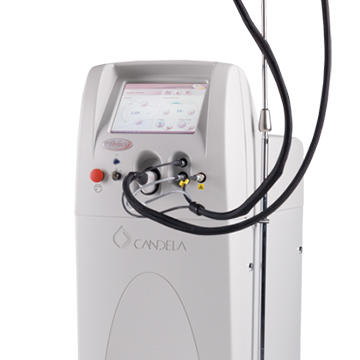
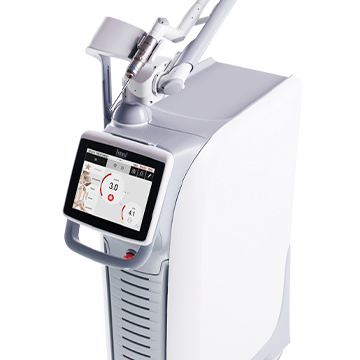
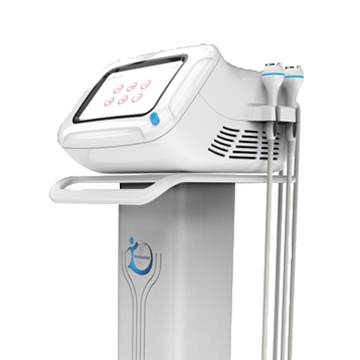
Different devices are combined according to scar depth,
residual redness, and the skin's regenerative condition.
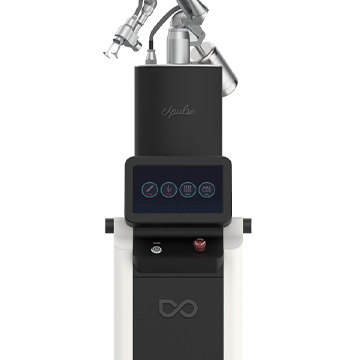
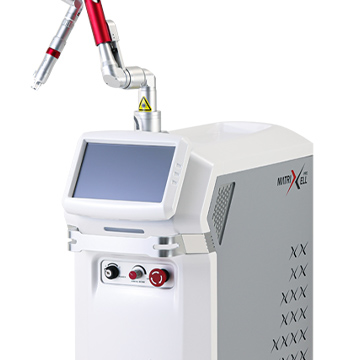
We assess not only surface irregularities,
but also tethering, fibrosis, and redness.
The depth of inflammation, healing process, and degree of fibrosis shape the resulting scar.
When inflammation extends into the dermis, it may damage healthy tissue and leave depressed scars during healing.
Firm fibrous tissue that forms as damaged skin heals may pull the skin surface downward.
Too little or too much collagen regeneration relative to the extent of damage may lead to depressed or raised scars.
Ice pick, boxcar, and rolling scars often appear together on the same face, and even scars of the same type may differ in depth, tethering, and surrounding skin thickness.
Applying the same laser and intensity to every scar may overstimulate shallow scars while providing insufficient treatment for deeper scars.
Trinity Dermatology Clinic evaluates scar borders and base depth, fibrosis, redness, and active acne to plan the sequence of surface treatment, fractional resurfacing, redness treatment, and recovery care.
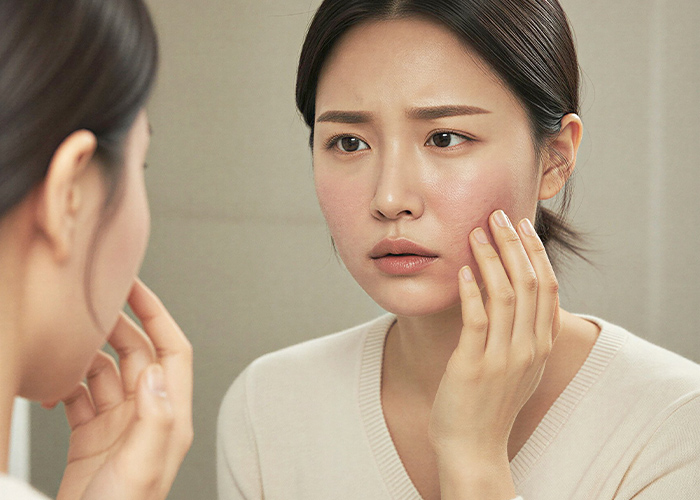
Treatment direction varies according to the shape and depth of the depression and the degree of tissue tethering beneath the skin.
Tethering beneath the skin creates broad, shallow depressions, which may give the surface a wave-like appearance depending on the direction of light.
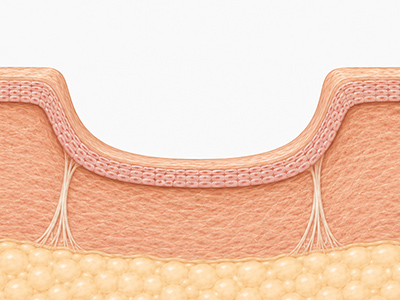
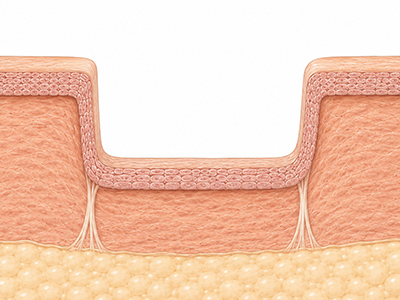
These scars have relatively distinct edges and a flat, depressed base. Different treatment methods may be combined according to their depth and extent.
These scars have a small opening at the skin surface but extend deeply inward, resembling enlarged pores or puncture marks made by a pointed instrument.
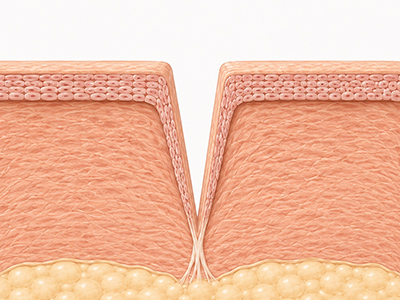
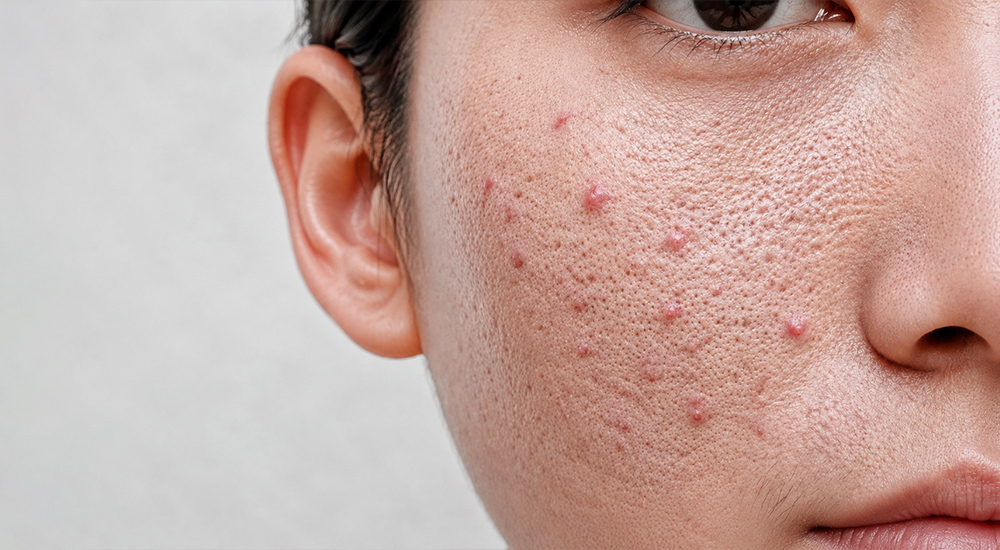
Rather than repeating a single laser treatment, methods are carefully combined according to the type and depth of each scar.

Treatment intensity and intervals are adjusted gradually according to skin response and the regeneration cycle, allowing adequate recovery between sessions.
 Naver Booking
 Call Us
 KakaoTalk
 LINE
LINE
 WeChat
 Promotions
 Naver Blog
 YouTube
 Instagram
 Directions