



 TRINITY DERMATOLOGY CLINIC
Acne
 TRINITY DERMATOLOGY CLINIC
Acne is a skin condition that develops when increased sebum and retained dead skin cells block the follicular opening, allowing oil to accumulate within the follicle and trigger inflammation.
It can appear in different stages and forms, from small comedones to red, painful inflammatory acne
and deep, firm nodular lesions.
Even when visible lesions improve, acne may recur in the same area if sebaceous activity and pore blockage persist. Prolonged inflammation may lead to red marks, post-inflammatory hyperpigmentation, and depressed scars.
Trinity Dermatology Clinic assesses sebum production, the pattern of comedones and inflammation, red marks, and skin-barrier condition to plan treatment for the current stage and ongoing care intended to reduce recurrence.
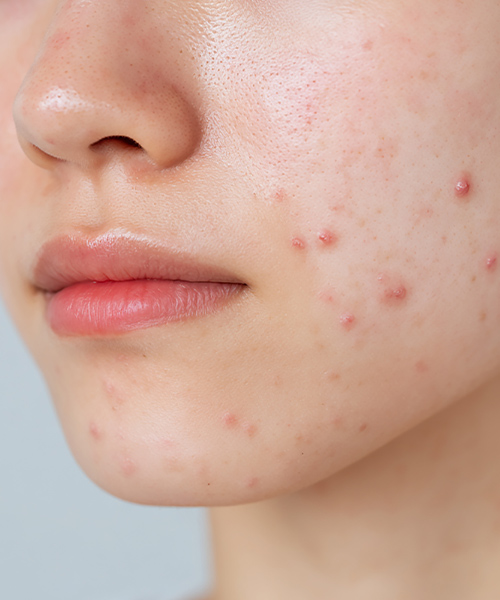
We distinguish lesion type and degree of inflammation
to apply the necessary treatment in stages.
We consider not only sebum and blocked pores but also the skin environment and lifestyle factors.
When hormonal influences or skin type increase sebum production, pores may clog more easily and inflammation may recur.
When dead skin cells do not shed normally, sebum may become trapped and lead to comedonal acne.
As inflammation increases within a blocked follicle, red papules, pustules, and deep nodular lesions may develop.
Even when acne lesions look similarly red, they differ in the presence of comedones, depth of inflammation, sebaceous-gland activity, and skin sensitivity. Repeated aggressive treatment without identifying the lesion stage may weaken the skin barrier or cause red marks and hyperpigmentation to persist longer.
Trinity Dermatology Clinic reviews skin condition, affected areas, recurrence pattern, and previous treatment history to prioritize sebum control, pore care, inflammation reduction, and treatment of residual marks, then plans treatment intensity and intervals within the skin's tolerance.

We distinguish sebaceous-gland activity,
inflammation, blocked pores, and red marks
to select the equipment needed.
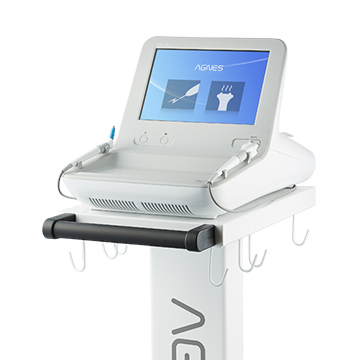
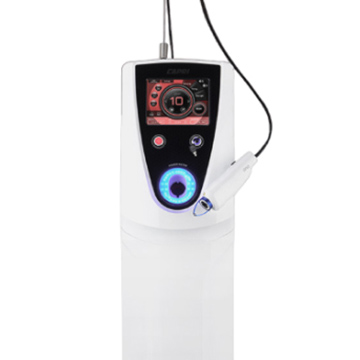
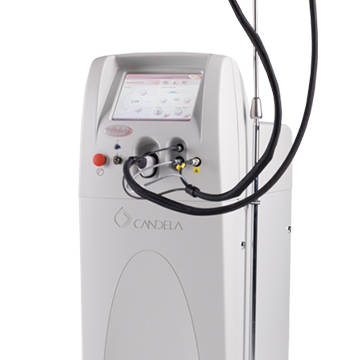
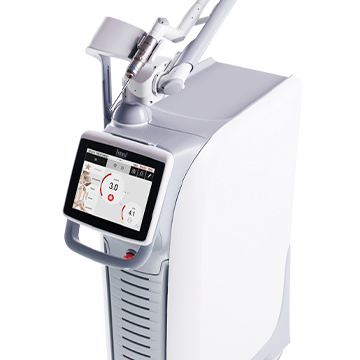
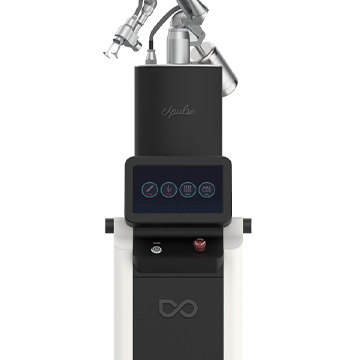
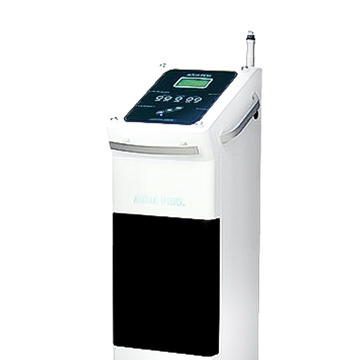
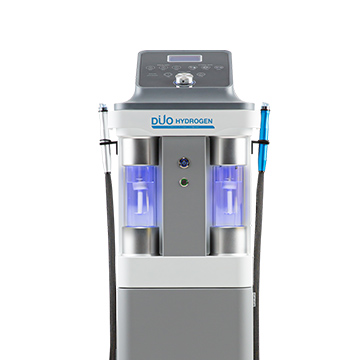
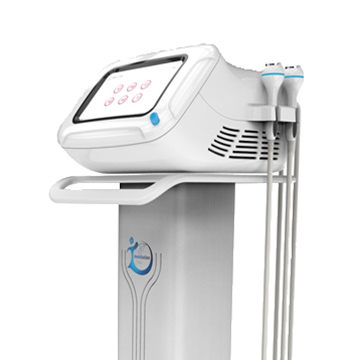
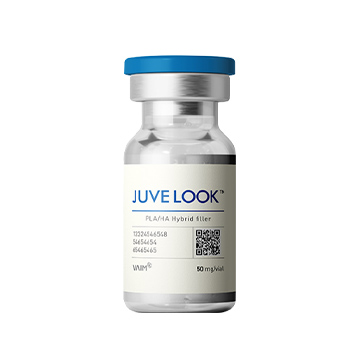
Our care connects treatment of active lesions with ongoing management intended to reduce recurrence and residual marks.
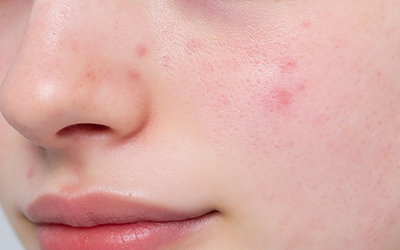
We distinguish comedonal and inflammatory lesions to select extraction, sebaceous-gland treatment, or laser therapy.
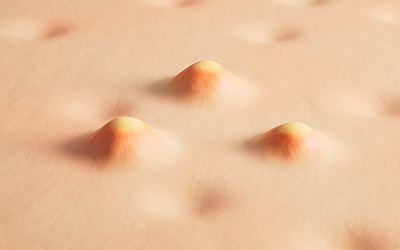
Excess sebum is controlled while soothing and moisturizing care supports recovery of sensitized skin.
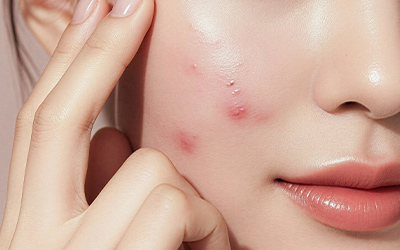
Residual marks are treated after inflammation subsides to reduce progression to hyperpigmentation and scarring.
TRINITY PROVIDES ALL ABOUT SKIN · TRINITY PROVIDES ALL ABOUT SKIN ·
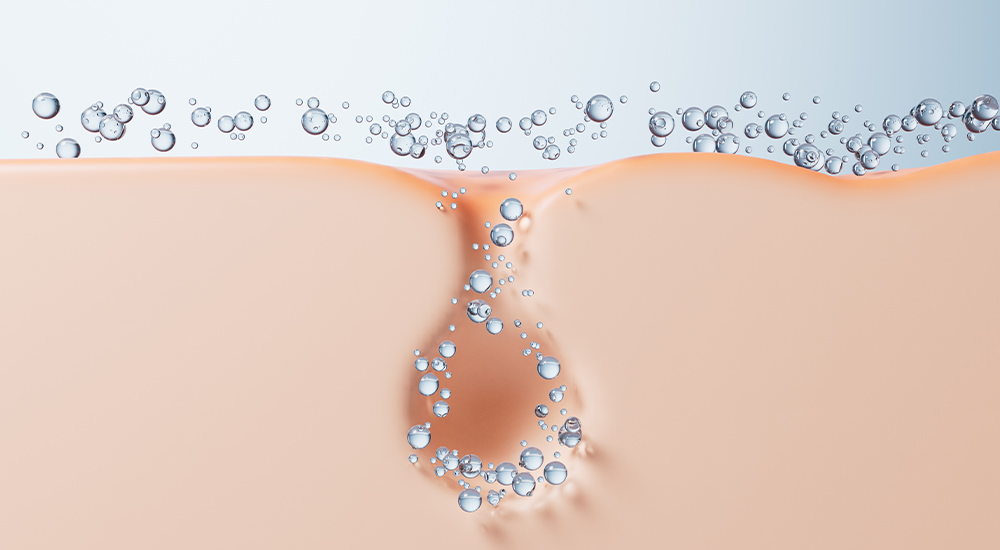
Rather than removing only visible acne, we also consider sebum production, blocked pores, and the inflammatory response.

We review lifestyle and skin-irritation factors and manage red marks and hyperpigmentation in stages.
 Naver Booking
 Call Us
 KakaoTalk
 LINE
LINE
 WeChat
 Promotions
 Naver Blog
 YouTube
 Instagram
 Directions