


TRINITY DERMATOLOGY CLINIC
Board-Certified Dermatologist
Who Understands Skin Disease
Drawing on extensive clinical experience, research, and academic presentations,
we strive for accurate diagnosis and appropriate treatment.
Ongoing Research and Academic Work
Our experience diagnosing and treating a wide range of skin conditions
has been expanded through research and academic exchange in Korea and abroad.
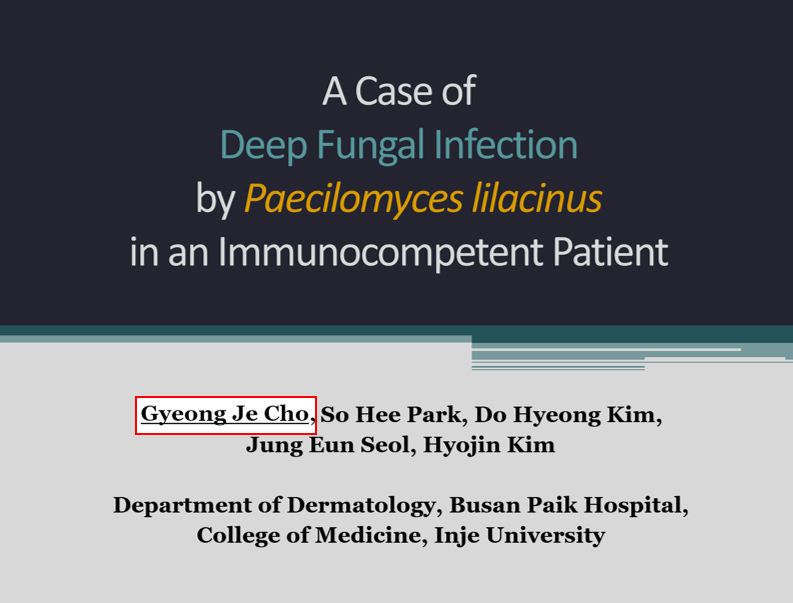
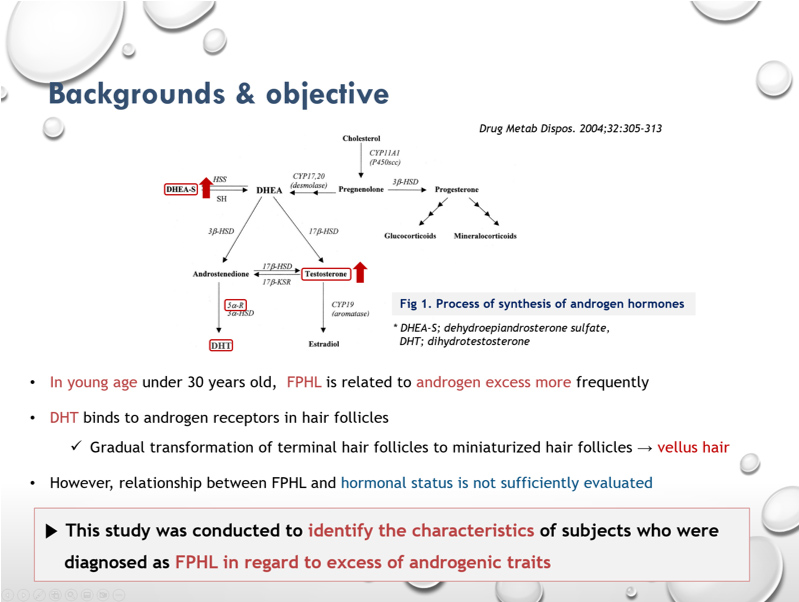
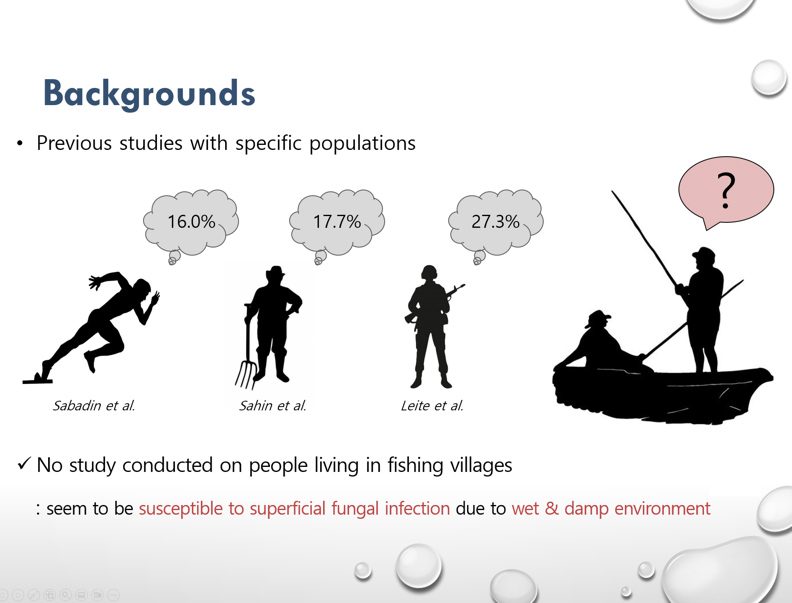
108 Academic Presentations in Korea and Abroad, Including the United States, Europe, and Japan
Knowledge and clinical experience gained through research and academic presentations
inform our careful assessment of each condition's cause and progression.
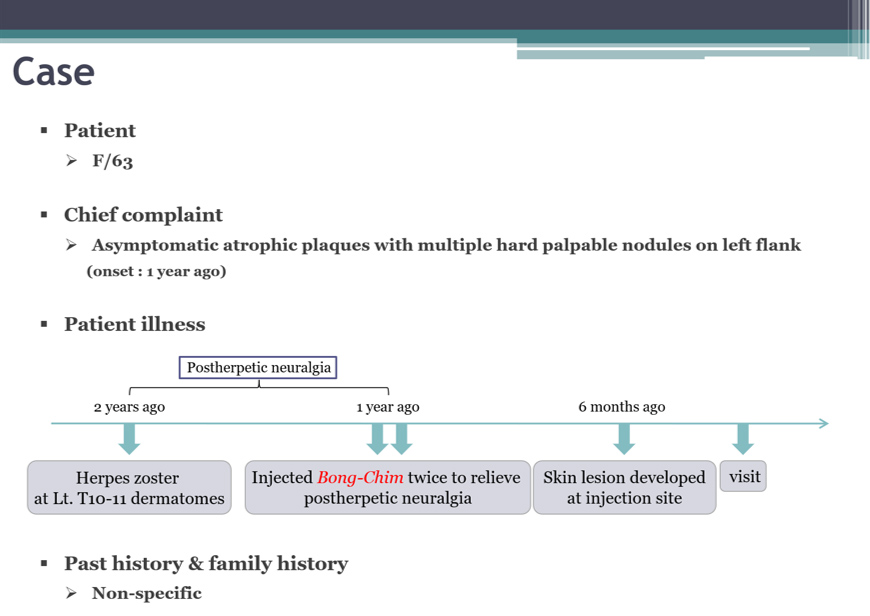

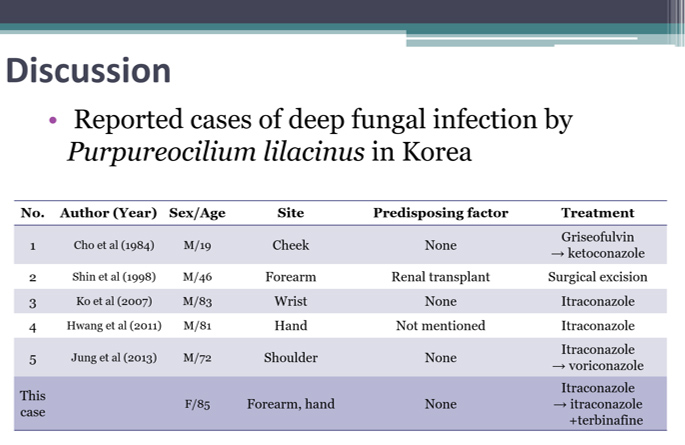
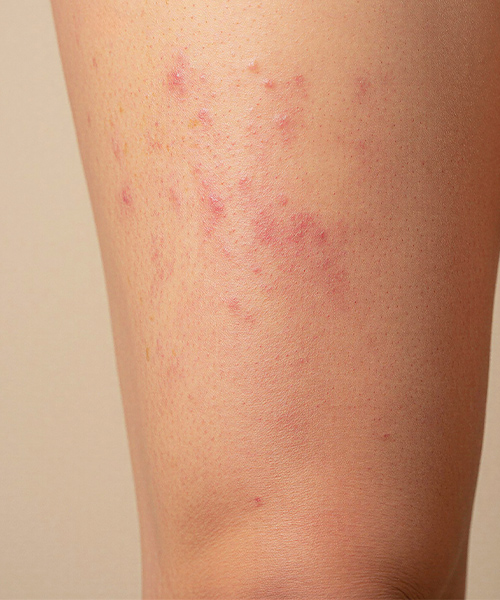
Shingles occurs when the varicella-zoster virus, which remains dormant in nerve ganglia, reactivates as immunity declines.
Tingling or burning often begins on one side of the skin before a rash appears, followed by red patches and blisters in a band along the affected nerve distribution.
- Characteristics
- Pain or abnormal sensation may begin several days before shingles lesions appear, and the condition is often confined to one side of the body. Severe pain, involvement of the face or eye area, older age, or reduced immunity requires careful assessment for risks such as ocular complications or nerve damage. Stabbing pain and reduced sensation may persist for months after the skin lesions resolve as postherpetic neuralgia, making early diagnosis and treatment important.
- Treatment
- When shingles is suspected, antiviral treatment should begin as early as possible, with pain relievers or medications for nerve pain added according to symptom severity. Blisters should be kept clean and protected from irritation or rupture to reduce the risk of secondary bacterial infection, with dressings selected according to oozing and crusting. Suspected facial or eye-area involvement or severe pain may require coordinated evaluation for complications. Neuralgia and pigmentation are monitored even after the skin lesions heal.
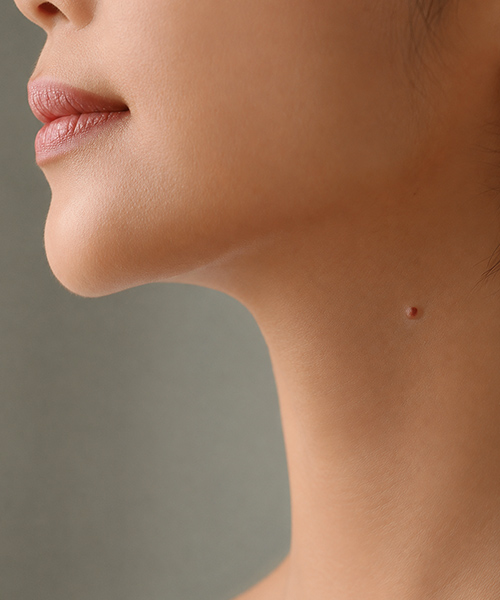
Warts are caused by human papillomavirus infection, while corns develop when repeated pressure and friction create a hard buildup of keratin.
Although they can look similar, their causes and treatment approaches differ, so the lesion surface and pattern of pain should be assessed carefully.
- Characteristics
- Warts often have a rough surface and may show tiny black dots or pinpoint bleeding. They can occur on the hands, feet, face, or other areas of the body. Because they are viral, scratching or picking may spread them to nearby skin or other people. Corns, by contrast, develop a central core in areas of persistent pressure and are often particularly painful when pressed from above. Plantar warts and corns can look similar, making accurate differentiation important.
- Treatment
- Warts may be treated with cryotherapy, laser treatment, or medication depending on their location, thickness, and number. Deeper lesions may require multiple sessions. Corn treatment involves removing hardened keratin and the central core while reducing pressure on the foot. Because poorly fitting shoes or gait patterns can cause recurrence, patients may also be advised to use cushions or pads and change footwear.
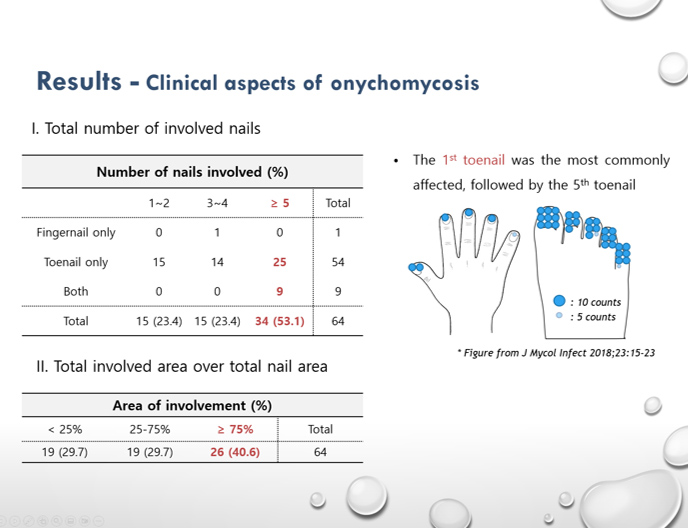
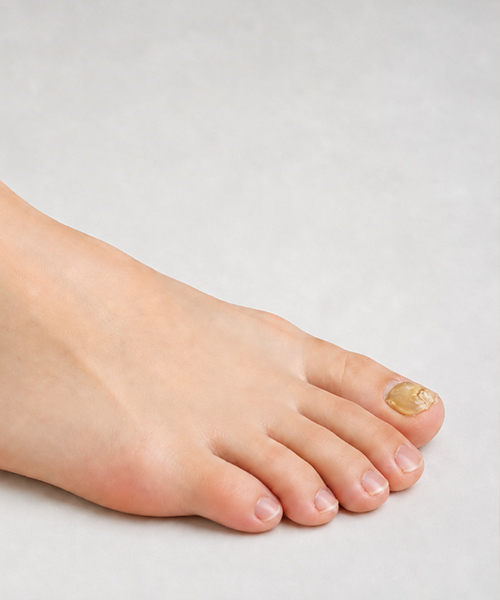
These fungal skin conditions develop when dermatophytes infect the skin or nails.
Their appearance varies by location and may include itching, scaling, maceration, or changes in nail color and thickness.
- Characteristics
- Athlete's foot may appear as whitish maceration, itching, and cracks between the toes; thick, dry scaling across the soles; or recurring small blisters. Fungal nail infections may turn nails yellow or brown, thicken them, and make them brittle. Eczema, psoriasis, and nail changes from repeated trauma can look similar, so fungal infection should be confirmed before treatment is selected.
- Treatment
- Topical antifungal medication is the primary treatment for fungal skin infections, while oral medication may be considered for extensive or recurring disease. For fungal nail infections, oral or topical medication and adjunctive laser treatment may be selected according to the extent of infection, nail thickness, and overall health. Keeping feet and shoes dry, changing socks regularly, and not sharing towels or nail tools can help reduce reinfection and household transmission.
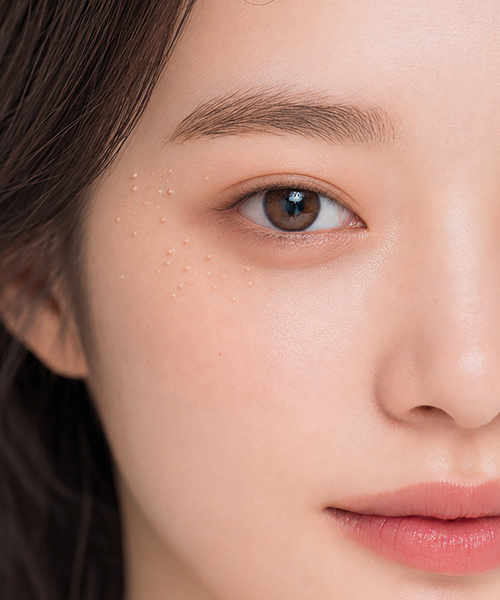
Milia and syringomas both appear as small bumps around the eyes and cheeks and may look similar.
Milia form near the skin surface, while syringomas are benign growths of sweat ducts, resulting in different lesion depths and treatment methods.
- Characteristics
- Milia are white or yellow bumps caused by small pockets of keratin near the skin surface and commonly occur around the eyes and cheeks. Syringomas are benign proliferations of sweat ducts that often appear as clusters of skin-colored or brown bumps beneath the eyes and around the eyelids. They lie deeper than milia, may spread across a wider area, and can recur naturally or after treatment.
- Treatment
- Milia may be treated by making a tiny opening in the skin and removing the keratin plug or by using a laser. Forceful squeezing should be avoided because it can cause inflammation, pigmentation, or scarring. Syringomas are treated with the Agnes device. Similar-looking lesions may include eccrine or apocrine hidrocystomas and eyelid xanthelasma, and treatment is selected according to the underlying condition.
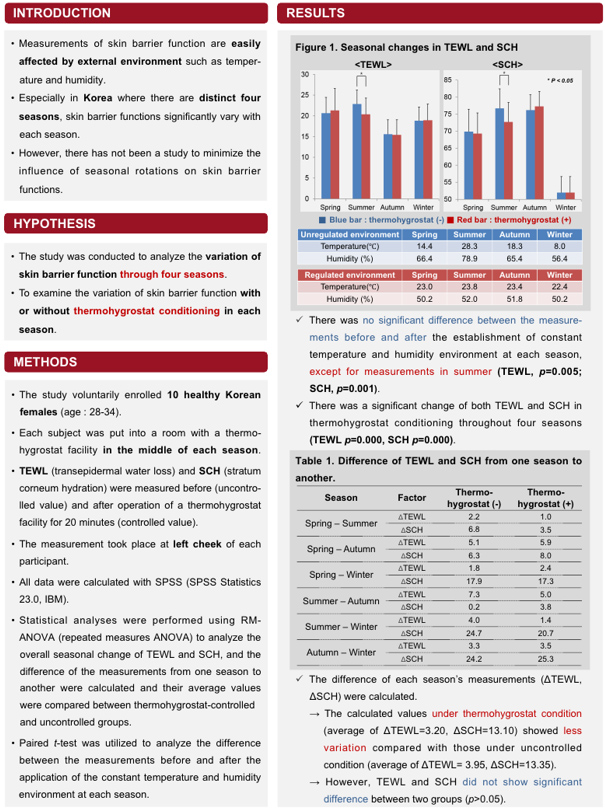
Atopic dermatitis and psoriasis can both involve recurring inflammation and scaling, but their mechanisms and lesion patterns differ.
The skin barrier, immune response, lesion distribution, and clinical course should be assessed to distinguish and treat the two conditions.
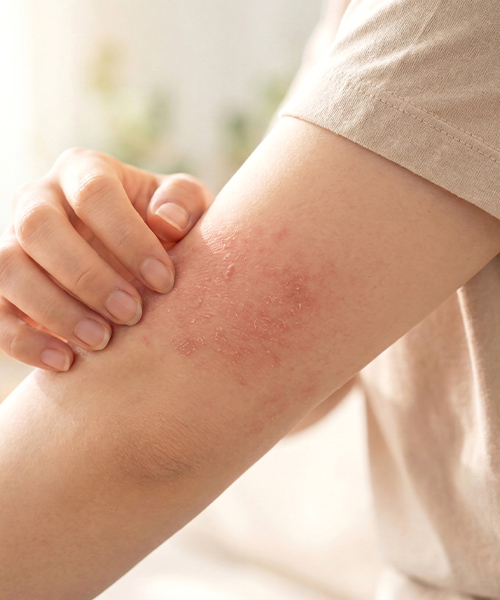
- Characteristics
- Atopic dermatitis results from a combination of impaired skin barrier function, immune responses, and environmental factors, causing recurring severe dryness and itching. Scratching may lead to oozing, crusting, pigmentation, and thickened skin known as lichenification. Psoriasis accelerates skin cell turnover and produces well-defined red plaques with silvery scales. It can affect the scalp, elbows, knees, nails, and joints.
- Treatment
- Atopic dermatitis care begins with consistent moisturization, gentle cleansing, and avoidance of irritants. Topical anti-inflammatory medication, oral medication, or phototherapy may be added in stages according to severity. Psoriasis treatment is selected according to lesion extent, thickness, location, and joint symptoms and may include topical therapy, phototherapy, or systemic medication. Because both conditions can recur, long-term management of the living environment and skin barrier remains important even after symptoms improve.
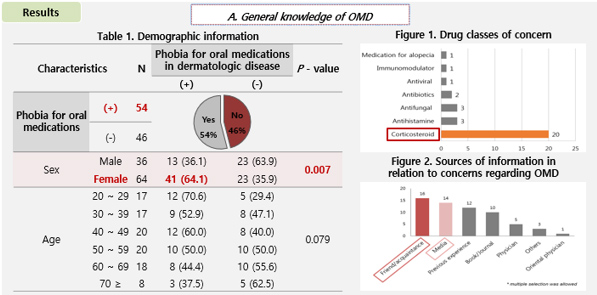
Urticaria causes sudden raised welts and intense itching that disappear and reappear in different locations.
It may be triggered by factors such as food, medication, infection, temperature changes, or pressure.
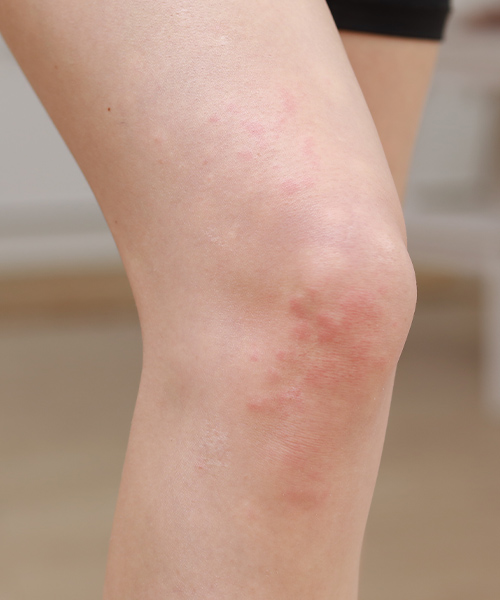
- Characteristics
- Individual welts usually disappear within several hours but may repeatedly develop elsewhere. Linear swelling can also appear where the skin is scratched or pressed. Chronic urticaria lasting longer than six weeks often cannot be explained by a specific food or allergy alone. The timing and duration of outbreaks, exercise, temperature changes, medications, and infection history should be reviewed to distinguish urticaria from vasculitis and other similar skin conditions.
- Treatment
- Treatment generally begins with antihistamines. If symptoms remain inadequately controlled, the dose may be adjusted or additional medication considered under medical supervision. When a trigger is suspected, its relationship to symptoms should be assessed before imposing broad food restrictions. Swelling of the lips, tongue, or throat, shortness of breath, or dizziness may indicate a severe allergic reaction such as anaphylaxis and requires immediate emergency care.
Hair loss has many causes and patterns, including male and female pattern hair loss, alopecia areata, and telogen effluvium.
Assessment should consider not only shedding volume but also hair thickness and distribution, scalp condition, and recent health changes.
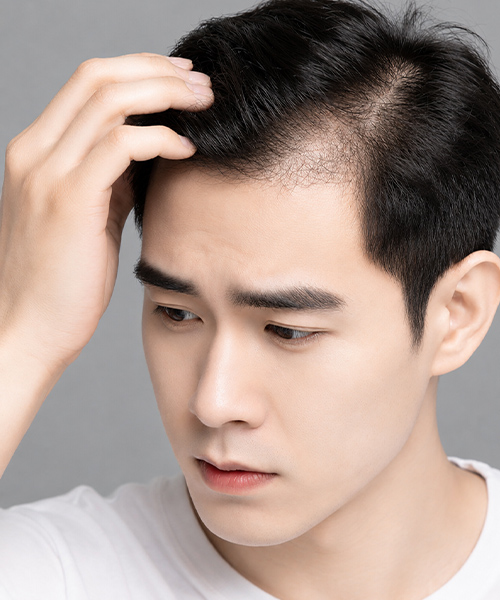
- Characteristics
- Male and female pattern hair loss typically involves gradual thinning and reduced density at the crown or frontal scalp. Alopecia areata is an autoimmune condition that causes sudden, clearly defined round or oval patches of hair loss. Telogen effluvium can cause diffuse shedding after childbirth, high fever, surgery, rapid weight loss, or stress. Scalp inflammation, thyroid disease, nutritional status, and medications may also contribute.
- Treatment
- After identifying the type of hair loss based on scalp and hair condition, family history, and duration, treatment may include topical or oral medication, intralesional injections, and scalp therapy. Alopecia areata may be treated with steroid injections or topical therapy according to its extent and rate of progression. Rapid spread or involvement of the eyebrows and body hair may require further evaluation. For telogen effluvium, underlying health or lifestyle factors are addressed while the hair growth cycle recovers.
Lesions arising in the skin or subcutaneous tissue, such as epidermoid cysts, lipomas, dermatofibromas, and nevi, may require surgical removal.
The surgical extent and closure method are planned according to the lesion's characteristics, size, location, and inflammation status.
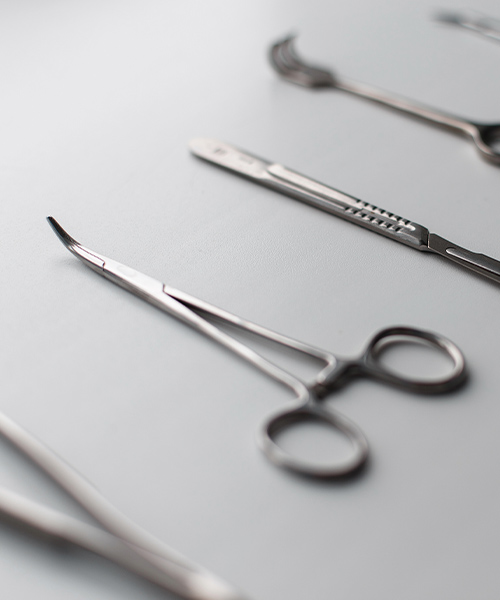
- Characteristics
- An epidermoid cyst is a sac beneath the skin that accumulates keratin and sebum. When inflamed, it may become red and swollen and cause pain or discharge. A lipoma is a slow-growing benign tumor of subcutaneous fat. Dermatofibromas and nevi may also cause discomfort or cosmetic concerns depending on their size and location. When appearance alone is insufficient to determine a lesion's nature, palpation, ultrasound, or biopsy may be needed.
- Treatment
- After assessing the lesion's size, depth, and relationship to surrounding tissue, treatment aims for complete removal through the smallest practical incision. In areas such as the face or around joints, skin tension lines, incision direction, movement, and closure method are planned carefully. Recurrently inflamed cysts may be removed after inflammation is controlled. When necessary, excised tissue is examined to confirm the diagnosis and determine whether additional treatment is needed.
Abrasions, lacerations, burns, and postoperative wounds require different care depending on their depth, contamination, location, and time of onset.
Early assessment and appropriate decisions about dressings and closure can help reduce the risks of infection and scarring.
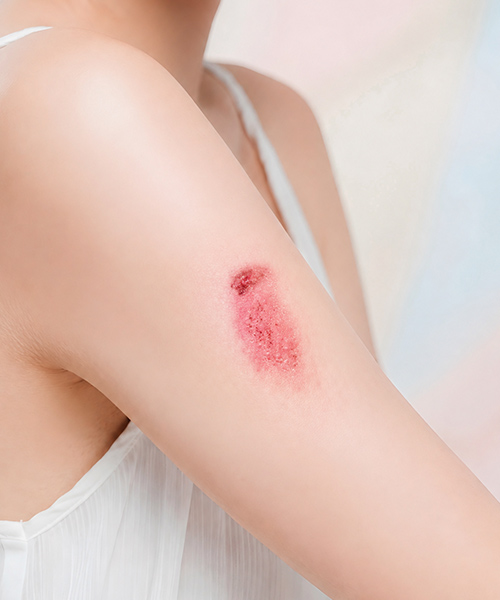
- Characteristics
- Even a small-looking wound may contain foreign material or involve damage to deeper tissue, nerves, or blood vessels. Increasing swelling or warmth, pus, foul odor, or persistent bleeding may indicate infection or deeper injury. Diabetes, poor circulation, or reduced immunity can slow healing and increase infection risk, requiring closer follow-up.
- Treatment
- The wound is thoroughly irrigated to remove contaminants and foreign material, followed by assessment of damaged tissue and bleeding before antiseptic care, moist dressings, or closure is selected. Dressings are changed according to the healing stage to prevent excessive dryness or fluid accumulation. After the wound closes, redness, pigmentation, and hypertrophic scarring are monitored, with additional scar care such as topical medication, silicone products, injections, or laser treatment considered when appropriate.
Different Causes and Treatment Approaches.
Skin conditions can arise from many causes, including viral or fungal infection, immune responses, repeated pressure and friction,
changes in sebaceous or sweat glands, and disruptions in the hair growth cycle.
Self-diagnosing a visible rash or bump may delay treatment, allow the condition to spread,
or lead to pigmentation and scarring.
Trinity Dermatology Clinic reviews lesion shape and distribution, onset and symptoms, lifestyle, and medical history
to select appropriate options among medication, cryotherapy, laser treatment, and injection therapy.
Accurate Differentiation and Timely Care.
We distinguish the cause and stage of the condition and assess lesion depth and extent
to plan treatment while reducing unnecessary irritation.
Lesions that look similar may have different causes, so their development and clinical features are assessed together.
For conditions in which early care matters, such as shingles and infectious diseases, treatment begins promptly after diagnosis.
Care extends beyond lesion removal to address reinfection and recurrence risk, pigmentation, and wound healing.
We look beyond lesion removal to consider the cause, risk of recurrence, and recovery process.

Infectious, inflammatory, and immune-mediated conditions are distinguished from benign lesions to plan necessary tests and treatment.

Appropriate options are selected from medication, cryotherapy, laser treatment, injections, and surgery.

Follow-up monitors infection and recurrence risk as well as the development of pigmentation or scarring.

from Healthy Skin
Trinity Dermatology Clinic


Naver Booking
Call Us
KakaoTalk
LINE
WeChat
Promotions
Naver Blog
YouTube
Instagram
Directions