



 TRINITY DERMATOLOGY CLINIC
Tattoo Removal
 TRINITY DERMATOLOGY CLINIC
Tattoos are created by depositing ink pigment in the dermis,
and removal difficulty varies according to color, particle size, injection depth, and tattooing technique.
Black tattoos generally respond relatively well to laser treatment,
while red, green, blue, and other colors absorb different wavelengths and require a more specialized approach.
For cover-up or blackout tattoos with multiple layers of pigment,
or when scarring is already present from tattooing, both pigment removal and existing skin damage must be considered.
Trinity Dermatology Clinic assesses the tattoo's color, depth, size, age, and the condition of the skin
before selecting an appropriate wavelength and energy for gradual removal.

Color and depth are assessed together with existing scars and skin type
to determine the treatment approach.
Even tattoos of the same size may require different methods and numbers of sessions
depending on color, application technique, and skin response.

Black and gray inks generally respond well to specific wavelengths, but multiple sessions may be needed depending on depth and density.
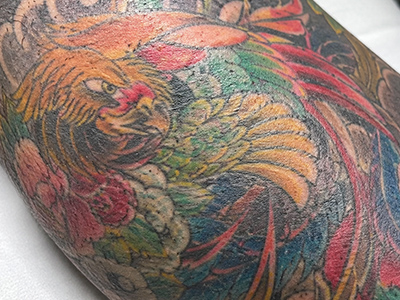
Each color absorbs energy differently, so wavelengths must be selected for red, green, blue, and other inks.
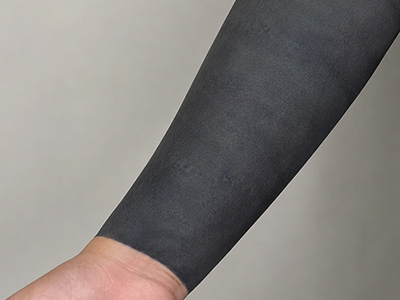
Repeated ink application over an existing tattoo creates high pigment density and uneven depth, requiring gradual removal.

Assessment must consider not only the ink pigment but also tissue damage and the type of scarring caused during tattooing.
TRINITY PROVIDES ALL ABOUT SKIN · TRINITY PROVIDES ALL ABOUT SKIN ·
Effective tattoo removal depends less on simply applying high energy
and more on matching the wavelength and energy precisely to the ink particles.
Repeated use of high energy without considering pigment density or depth
may result in blistering, inflammation, hypopigmentation, hyperpigmentation, or scarring.
Trinity Dermatology Clinic evaluates the tattoo's color and borders, skin thickness, and existing scars
to plan treatment that targets ink particles while minimizing unnecessary stress on the skin.
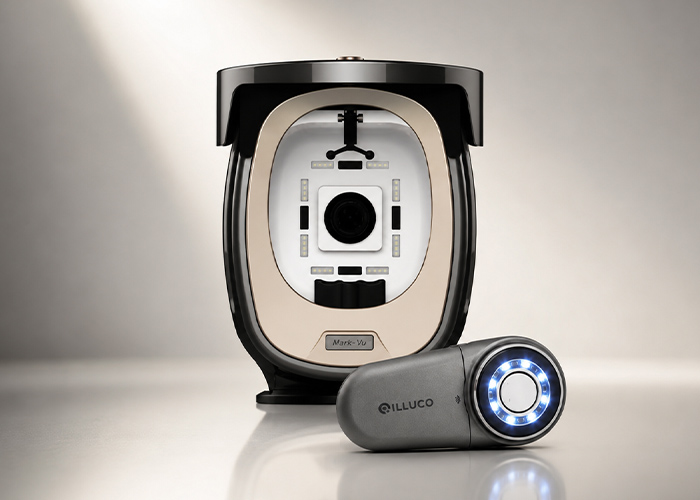
Short, high-energy pulses fragment ink particles into smaller pieces,
while the treatment area and intervals are adjusted to the skin condition.
Tattoo removal requires selective targeting of tattoo ink while preserving the skin's natural melanin as much as possible, making precise laser control by the practitioner essential.
Ultrashort picosecond pulses break ink into fine particles, supporting their gradual clearance through the body's natural processes.
We select the appropriate premium devices and apply precise
laser control according to the condition of each tattoo.
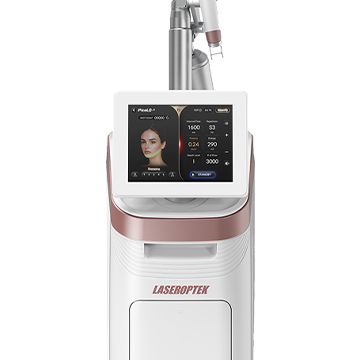
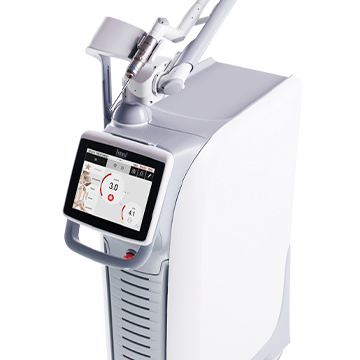
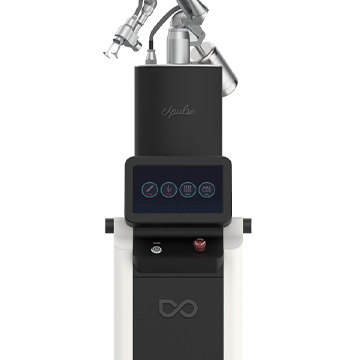
Rather than focusing only on rapid pigment removal,
we also manage post-treatment recovery and the risk of scarring.

Color, depth, size, ink density, and existing scars are assessed to determine treatment complexity.
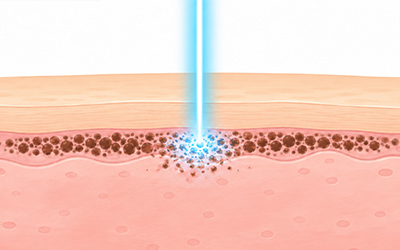
Wavelengths for each color and energy suited to the skin are selected to break down ink particles gradually.

Blistering and inflammatory responses are monitored, with sufficient treatment intervals and recovery care provided.

As treatment progresses, the tattoo's intensity and distribution become less uniform.
Laser spot size and energy must be adjusted precisely to the remaining pigment density and the skin's response.
Careful identification of residual pigment becomes increasingly important in later treatment stages.

After laser treatment, time is needed for fragmented pigment to clear and for the tissue to recover.
Repeating treatment at excessively short intervals may lead to accumulated irritation and inflammation.
At Trinity, the timing of the next session is determined after assessing the skin's recovery.
 Naver Booking
 Call Us
 KakaoTalk
 LINE
LINE
 WeChat
 Promotions
 Naver Blog
 YouTube
 Instagram
 Directions