



 TRINITY DERMATOLOGY CLINIC
Recalcitrant Pigmentation
 TRINITY DERMATOLOGY CLINIC
Recalcitrant pigmented lesions may have a more complex distribution and depth than common dark spots
and may require repeated treatment with careful monitoring.
Common examples include aberrant Mongolian spots, café-au-lait macules, and nevus of Ota,
which vary in appearance according to when and where they develop and their color.
Other lesions, such as congenital melanocytic nevi and Becker nevi, require assessment not only of pigmentation
but also of skin-tissue characteristics and hair distribution.
Because treatment response and the possibility of recurrence vary, high-output treatment alone may not be appropriate.
Trinity Dermatology Clinic carefully evaluates the lesion type and depth, skin response, and treatment history
before planning treatment intensity and intervals with a long-term perspective.
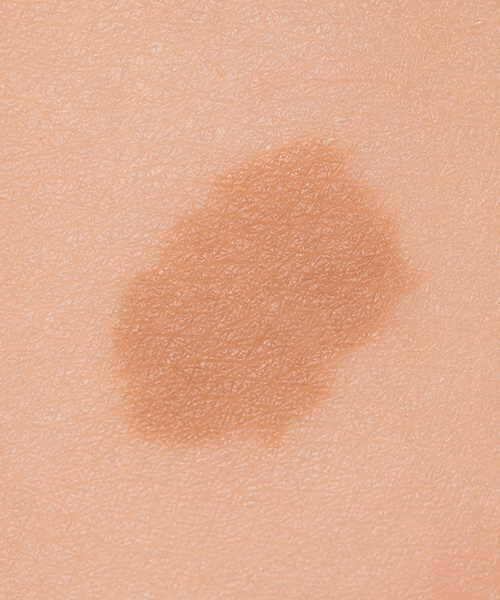
Because each lesion develops at a different depth and responds differently,
accurate identification is the essential first step.
Color, location, time of onset, and tissue characteristics are assessed together
to distinguish these lesions from common pigmentation concerns.
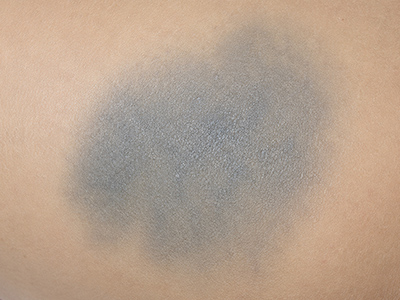
Blue-gray or bluish patches that persist in atypical areas such as the trunk or limbs, beyond the buttocks and lower back.
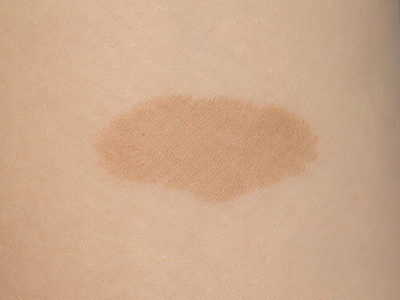
Light-brown patches often present at birth or appearing in early childhood, typically with relatively even borders and color.
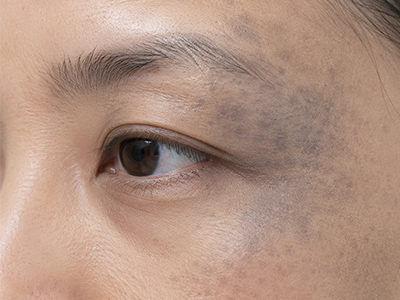
Blue-gray or brown pigmentation that usually appears on one side around the eye, cheekbone, or forehead and requires treatment that accounts for pigment in the dermis.
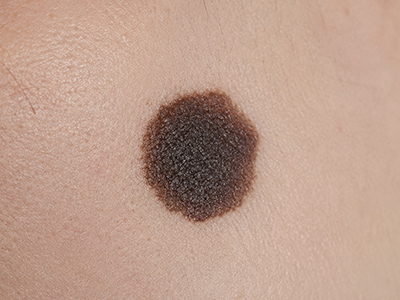
A brown or black nevus visible at or shortly after birth. Its size, thickness, surface, and associated hair growth are evaluated together.
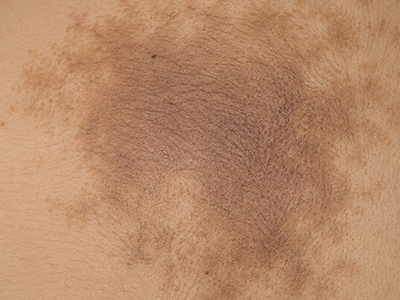
A broad brown patch that often develops on the shoulder, chest, or back during adolescence and may be accompanied by coarse hair growth.
TRINITY PROVIDES ALL ABOUT SKIN · TRINITY PROVIDES ALL ABOUT SKIN ·
Even with the same diagnosis, recalcitrant pigmented lesions can differ in pigment location, patient age, skin thickness,
and the characteristics of the tissue forming the lesion.
If previous treatment produced little change, the issue may not be the device alone.
The accuracy of the diagnosis and suitability of the energy settings should also be reviewed.
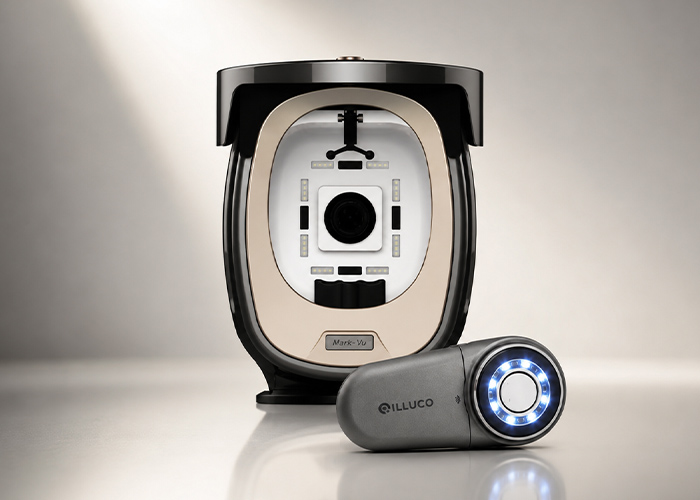
Before treatment, Trinity Dermatology Clinic uses dermoscopy and MARK-VU imaging
to differentiate the lesion through careful diagnosis.
The pigment distribution, borders, skin condition, and any associated conditions are evaluated together
to plan the most appropriate treatment for the current presentation.
Rather than repeatedly using a single intensity, lower and higher energy settings are carefully combined
and alternated according to the lesion and skin condition.
Before treatment begins, we clearly explain the typical number of sessions, treatment intervals, and expected course.
Treatment is carefully planned to minimize side effects
while pursuing the best possible outcome.
We combine lower and higher energy settings
to pursue the best possible outcome.
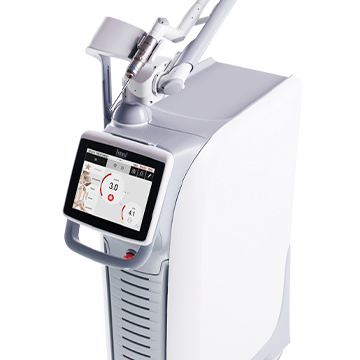
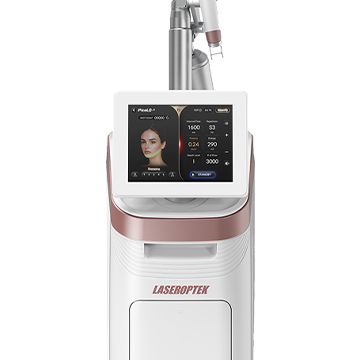
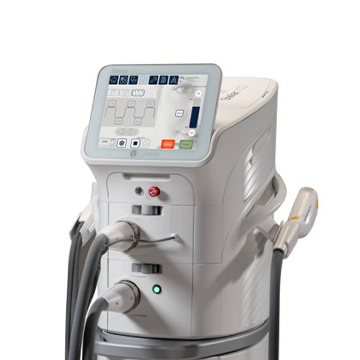
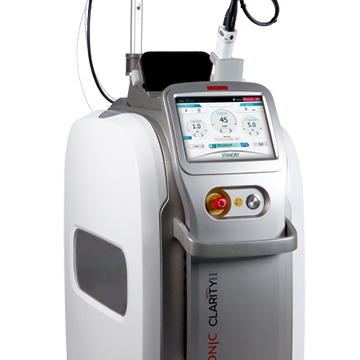
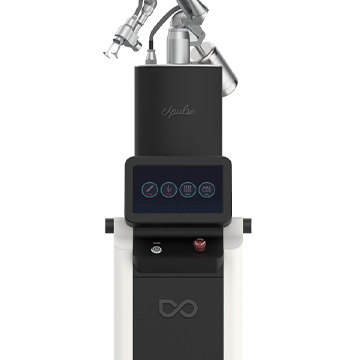
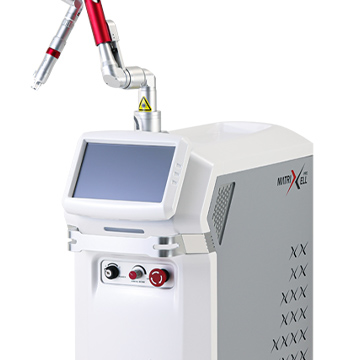
Rather than pursuing rapid removal, it is important to monitor the skin's response
and work toward steady improvement within a safe range.

Similar-looking pigment conditions are differentiated, and treatment goals and the expected course are defined for each lesion.
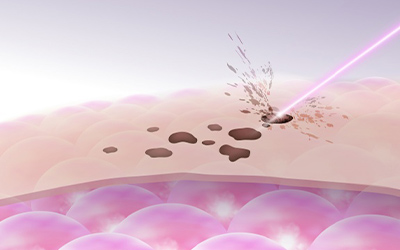
Wavelength, pulse width, and energy are adjusted to the depth of pigment in the epidermis and dermis.

Changes in color and inflammatory response are monitored after treatment, with sufficient intervals and recovery care provided.

Drawing on extensive clinical experience, we provide clear guidance on the expected number of sessions,
treatment intervals, and likely course.
Rather than rushing, it is important to monitor whether the skin is responding as expected
and adjust lower and higher energy settings throughout the process.

Concerns that may feel isolating or overwhelming are addressed
with clear explanations grounded in medical evidence.
Our staff will also be there to support you throughout the process.
At Trinity Dermatology Clinic, we care for both your skin and your peace of mind.
 Naver Booking
 Call Us
 KakaoTalk
 LINE
LINE
 WeChat
 Promotions
 Naver Blog
 YouTube
 Instagram
 Directions