



 TRINITY DERMATOLOGY CLINIC
Hyperpigmentation
 TRINITY DERMATOLOGY CLINIC
Hyperpigmentation is a change in skin color caused by excess melanin production or residual pigment
following skin irritation or inflammation.
It may result from dermatitis, repeated friction and irritation, UV exposure, and other factors,
appearing in shades from brown to gray-brown depending on the location and depth of the pigment.
Repeated contact dermatitis caused by ingredients in henna or hair dye products may lead to broad, dark pigmentation
around the eyes and cheeks, across the forehead, or along the hairline. This condition is known as Riehl's melanosis.
Trinity Dermatology Clinic carefully evaluates the cause, skin condition, and depth and distribution of pigmentation
before developing a treatment plan tailored to each patient's skin.
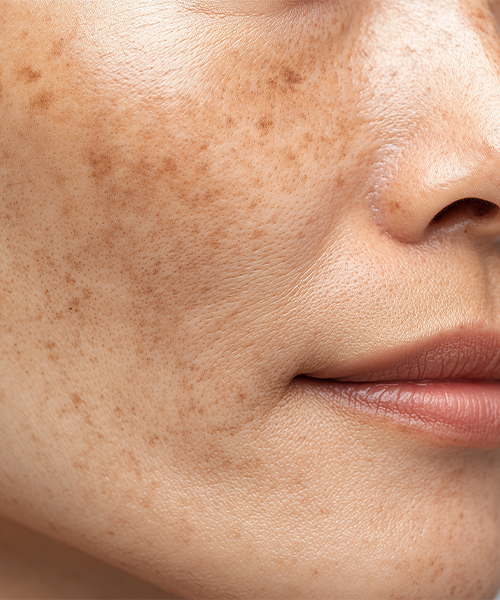
At Trinity, careful assessment and diagnosis guide
an individualized treatment approach.
With hyperpigmentation and reactions to henna dye, visual examination of the skin surface
alone may not be enough to identify the exact type of pigmentation.
Treatment without a thorough assessment of the skin and pigment characteristics
may increase irritation or cause the pigmentation to darken.
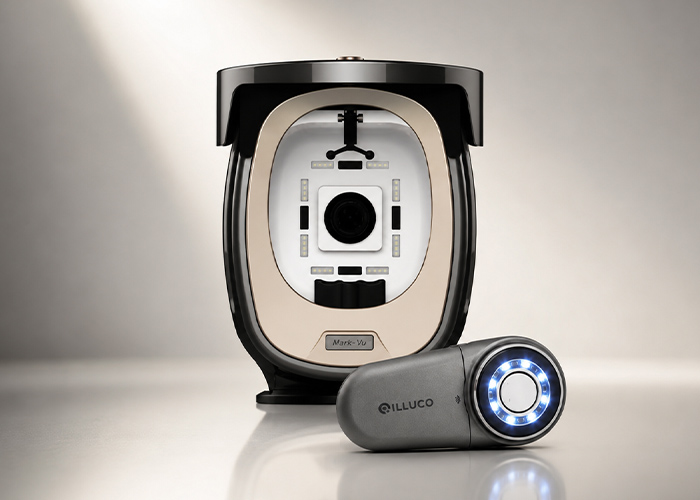
Before treatment, Trinity Dermatology Clinic uses dermoscopy and MARK-VU imaging
to differentiate pigment conditions
and carefully assess pigment distribution and depth as well as the overall skin condition.
These findings guide the treatment method and intensity selected for the skin.
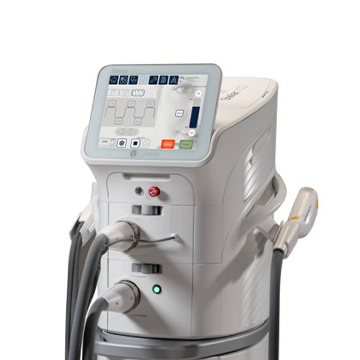
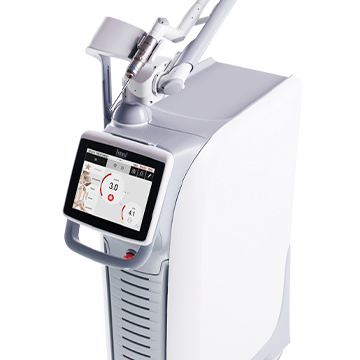
We carefully select the appropriate premium devices
according to each patient's skin condition.
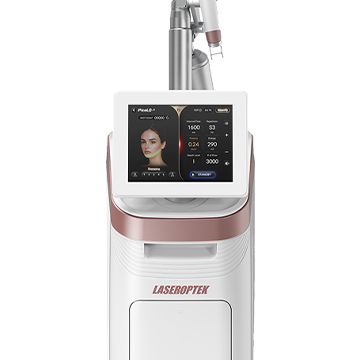
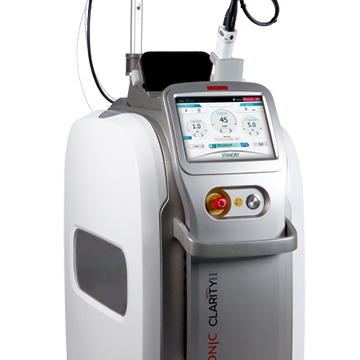

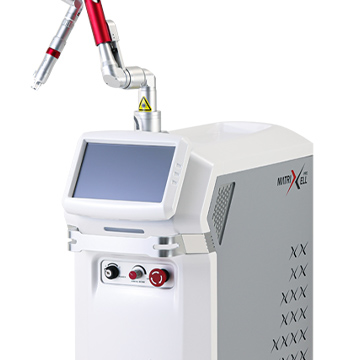
Treating hyperpigmentation and reactions to henna dye requires attention not only to the pigment,
but also to the damaged skin barrier and underlying inflammation.
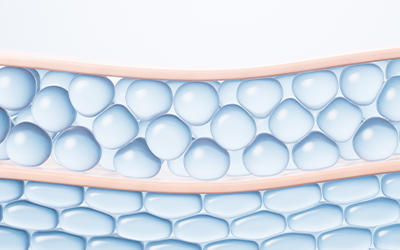
Soothing and moisturizing care supports recovery of the damaged skin barrier.
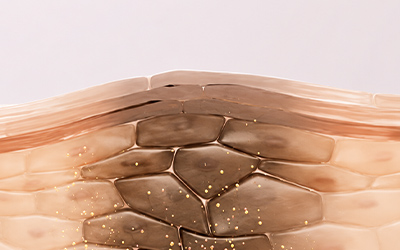
Pigment in the epidermis and dermis is assessed before selecting a device and intensity suited to the skin.
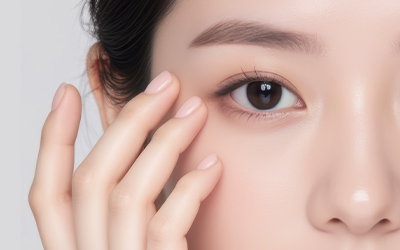
Reducing residual inflammation and sources of irritation helps prevent pigmentation from darkening again after treatment.
TRINITY PROVIDES ALL ABOUT SKIN · TRINITY PROVIDES ALL ABOUT SKIN ·
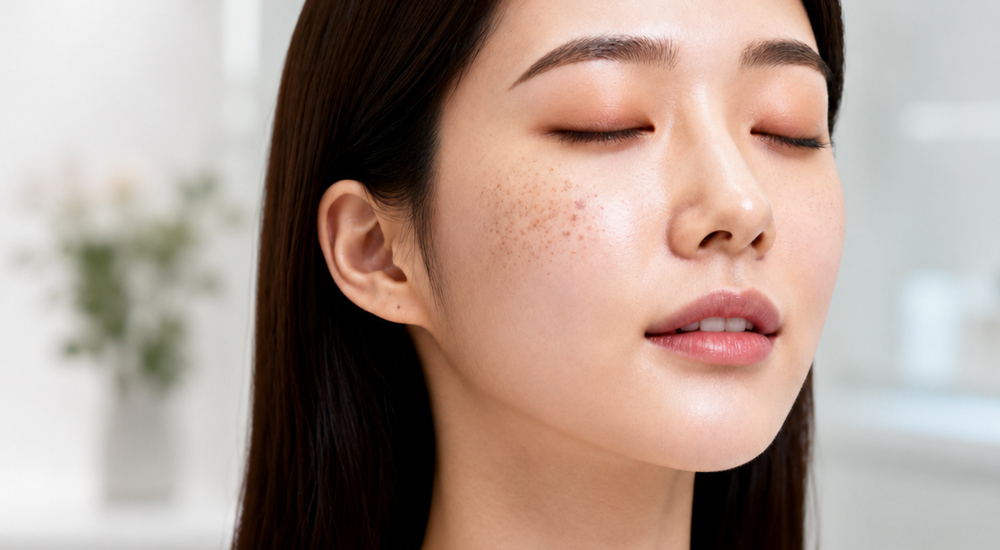
Hyperpigmentation can result from dermatitis, irritation, friction, UV exposure, and other factors.
Repeated dermatitis caused by henna or hair dye products may leave gray-brown pigmentation
around the eyes and cheeks, across the forehead, or along the hairline, leading to Riehl's melanosis.
If the initial itching and redness resolve quickly, the condition may be mistaken for melasma.
Because pigment may remain in deeper layers of the skin, accurate differentiation is important.
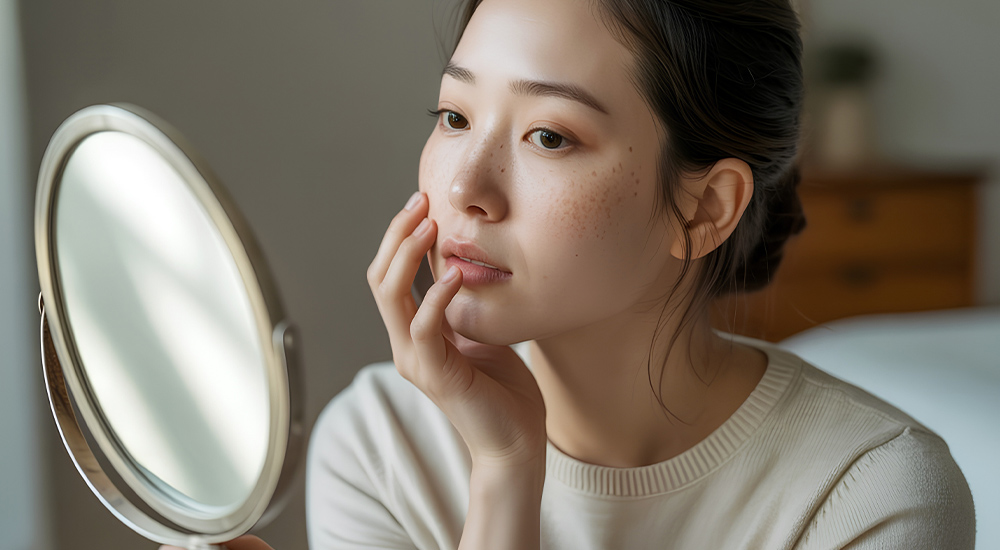
Repeated inflammation and irritation can increase melanin production, causing pigmentation to darken
and spread over a wider area.
Even common hyperpigmentation may persist when the underlying cause continues
or the skin barrier remains compromised.
Rather than focusing only on pigment removal, the cause, skin condition, and pigment depth should be assessed together.
Starting appropriate treatment at an early stage is important.
 Naver Booking
 Call Us
 KakaoTalk
 LINE
LINE
 WeChat
 Promotions
 Naver Blog
 YouTube
 Instagram
 Directions