



 TRINITY DERMATOLOGY CLINIC
Customized Pigmentation Treatment
 TRINITY DERMATOLOGY CLINIC
Melasma, freckles, dark spots, solar lentigines, and age spots are all forms of pigmentation,
but their causes, depth within the skin, thickness, and appearance can vary.
Melasma may involve a combination of hormonal changes, UV exposure, and skin irritation,
while freckles and dark spots may develop due to genetics, repeated sun exposure, or inflammation.
Moles, solar lentigines, and seborrheic keratoses can also be difficult to distinguish by appearance alone.
Treatment may take longer once a lesion becomes thicker or darker.
Trinity Dermatology Clinic evaluates the type and distribution of pigmentation, skin type,
and sensitivity to develop an individualized plan that is not limited to a single treatment approach.

At Trinity, treatments are carefully combined
according to your skin and the characteristics of each lesion.
Effective assessment considers not only visible color and shape,
but also the underlying cause and depth within the skin.
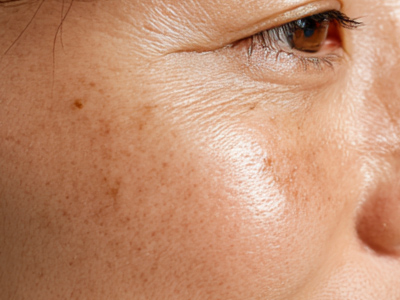
Often appears symmetrically on the cheeks, forehead, and under-eye area and may be influenced by UV exposure, hormones, and skin irritation.
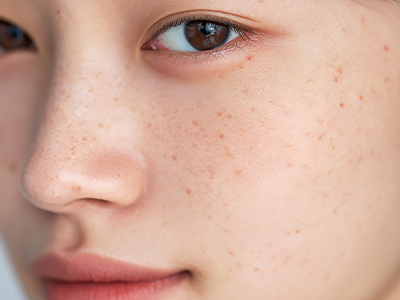
Small, distinct tan spots or pigmentation left after inflammation or irritation. The depth may vary from one lesion to another.
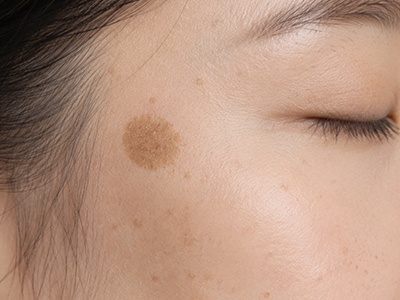
Well-defined brown spots associated with UV exposure and aging that may increase in number and size over time.
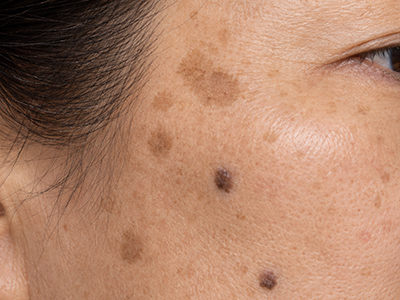
Related to the growth of melanocytes or epidermal cells. The removal method and recovery process vary according to thickness and appearance.
TRINITY PROVIDES ALL ABOUT SKIN · TRINITY PROVIDES ALL ABOUT SKIN ·
Melasma, dark spots, solar lentigines, and age spots may look similar even at close range,
but they occur at different depths and respond to different forms of energy.
Applying the same intensity or an unsuitable treatment sequence without first identifying the pigmentation
may require more sessions, increase skin sensitivity, or make pigmentation appear darker.
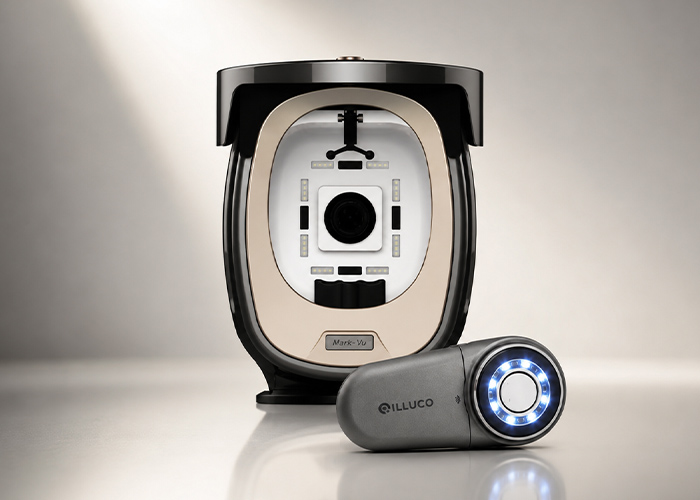
Trinity Dermatology Clinic uses dermoscopy and MARK-VU imaging to assess
the distribution and depth of pigmentation, redness, and skin-barrier condition,
then selects devices and energy settings appropriate for the skin's tolerance.
Photothermal treatment and photoacoustic fragmentation may be selected
individually or combined according to the characteristics of the lesion.
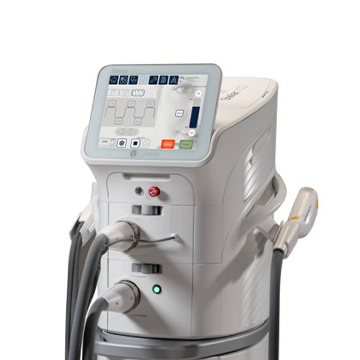
A specific wavelength is absorbed by pigment to generate a controlled thermal response, selectively treating well-defined lesions such as moles, solar lentigines, and seborrheic keratoses.
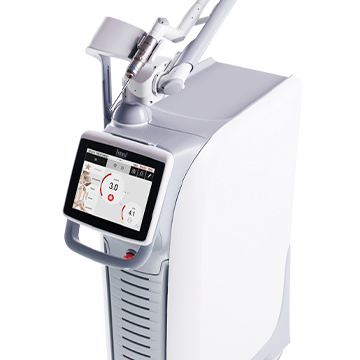
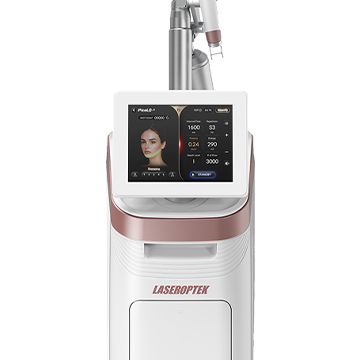
Ultrashort energy pulses break pigment into fine particles and are used for concerns that require gradual, precise treatment, such as melasma and dermal pigmentation.
We use only carefully selected premium devices approved
for pigmentation treatments.
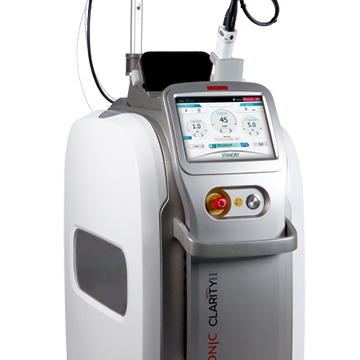
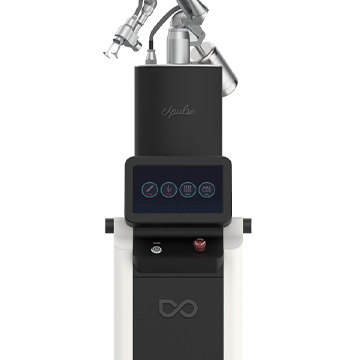
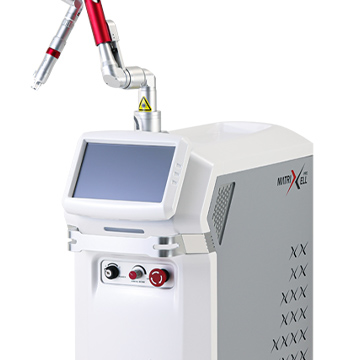
Rather than treating every concern with a single laser,
we adjust the treatment sequence and combination to each lesion and skin condition.

Visual examination and detailed imaging are used to assess lesion characteristics, skin sensitivity, and accompanying redness.

The appropriate device and delivery method are selected according to pigmentation depth and lesion thickness.

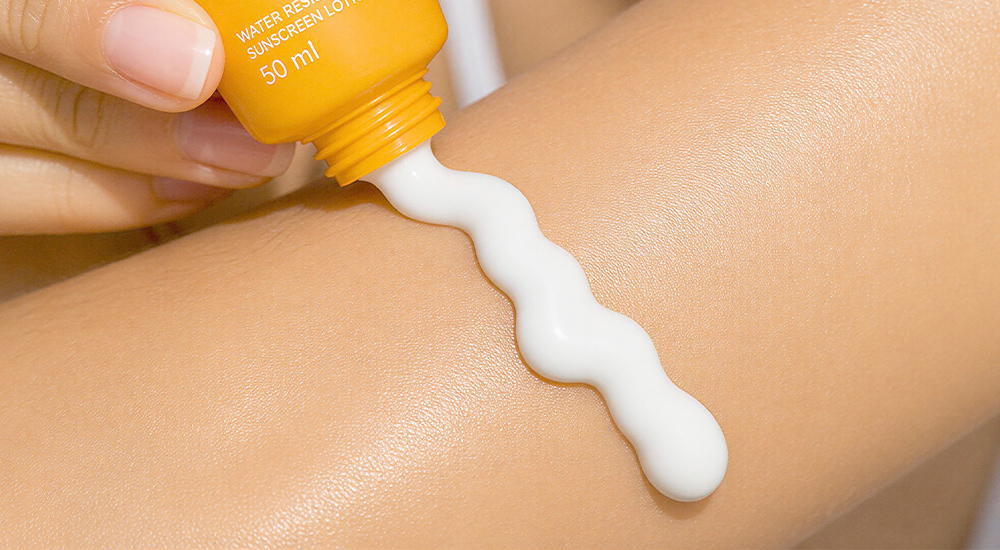
Post-treatment skin-barrier support and UV protection help reduce the risk of further pigmentation and recurrence.
Pigmentation may develop through overlapping factors such as UV exposure, skin irritation, inflammation, and aging.
Effective care therefore considers the skin barrier, redness, and lifestyle factors—not just rapid removal of the visible lesion.
Managing the factors that contribute to pigmentation can support more stable results.

Higher energy does not always lead to better results.
Energy settings and treatment intervals should reflect skin type, pigmentation depth, and response to previous treatments.
At Trinity, we prioritize gradual improvement while minimizing unnecessary stress on the skin.
 Naver Booking
 Call Us
 KakaoTalk
 LINE
LINE
 WeChat
 Promotions
 Naver Blog
 YouTube
 Instagram
 Directions